Whole Grain
The bran and germ remain part of the grain.

Our Signature Ingredient
Grindstone uses black rice as part of its signature black-and-white rice blend—bringing distinctive colour, texture and whole-grain character to familiar foods.
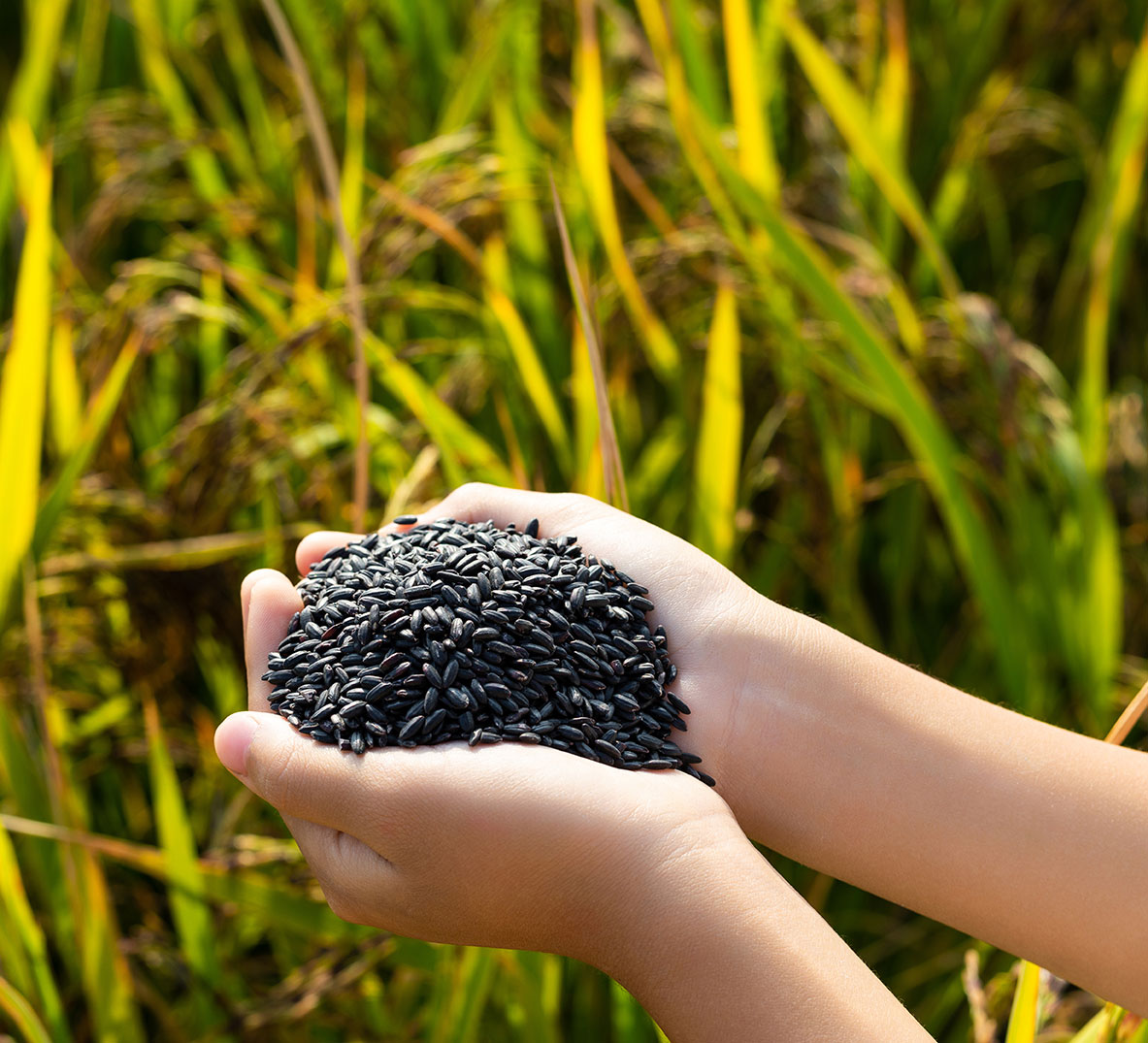
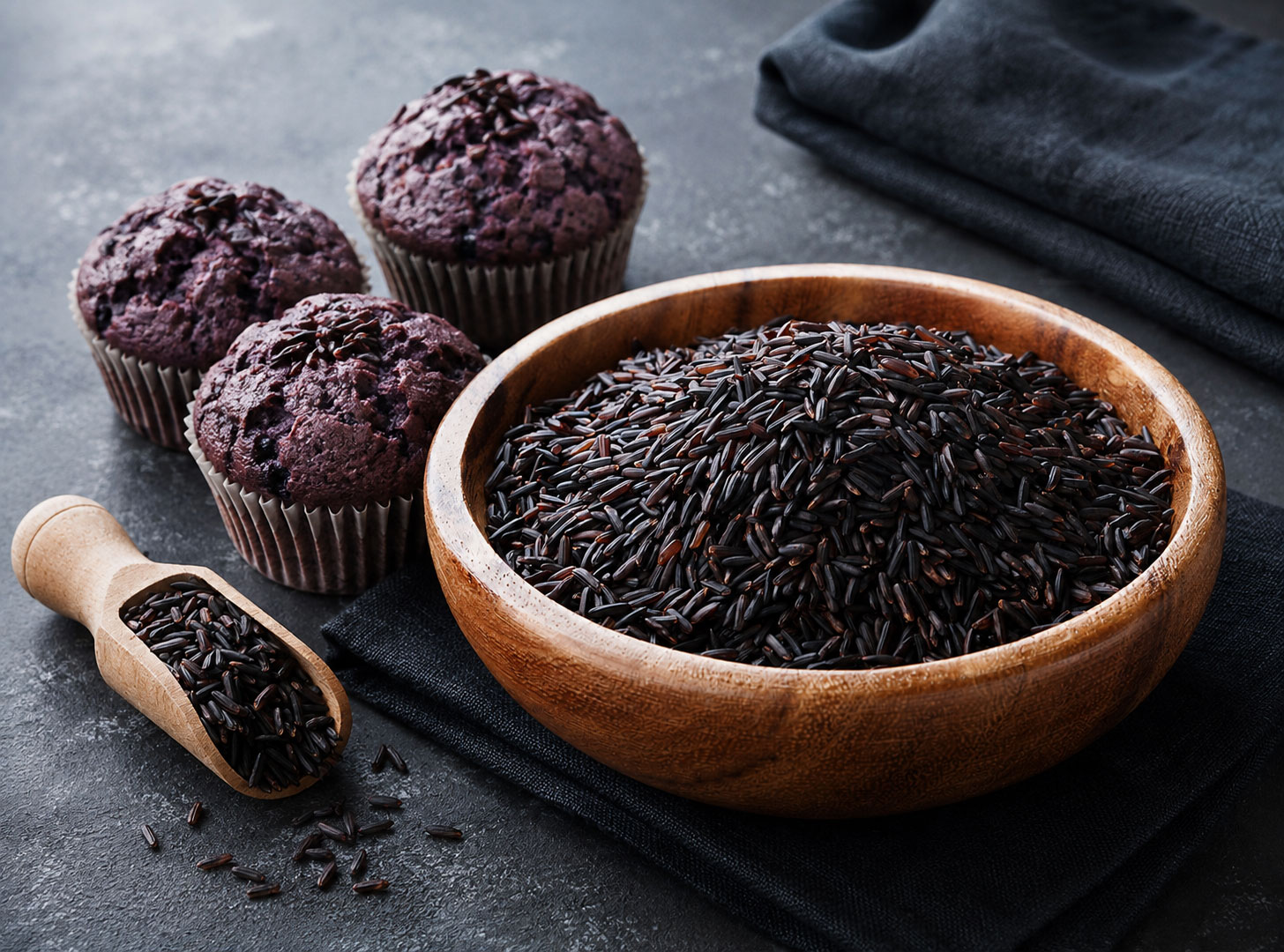
Black rice is a whole-grain rice variety with naturally dark purple-black pigmentation in its bran.
Because it remains a whole grain, black rice retains its bran and germ. Its deep colour comes from naturally occurring plant pigments called anthocyanins. You may also see black rice referred to by its historical nickname, forbidden rice.
The bran and germ remain part of the grain.
Purple-black pigmentation is present in the bran.
Black rice has a long history as a cultivated whole grain.
A historical nickname connected to stories about restricted access.
The name behind the grain
The name “forbidden rice” comes from stories that black rice was once reserved for royalty or emperors.
It is a memorable nickname, but those stories should be understood as historical tradition and folklore—not as a single, proven account of the grain’s origin.
Neither grain needs to replace the other. Their different characteristics are exactly why Grindstone brings them together.
Whole grain with bran retained
Deeper purple-black colour
Fuller grain flavour
Naturally occurring anthocyanin pigments
Refined grain with bran removed
Light, familiar colour
Mild flavour
Smooth, neutral profile
Our blend combines the character of black rice with the smoothness and familiarity of white rice.
Colour from the grain
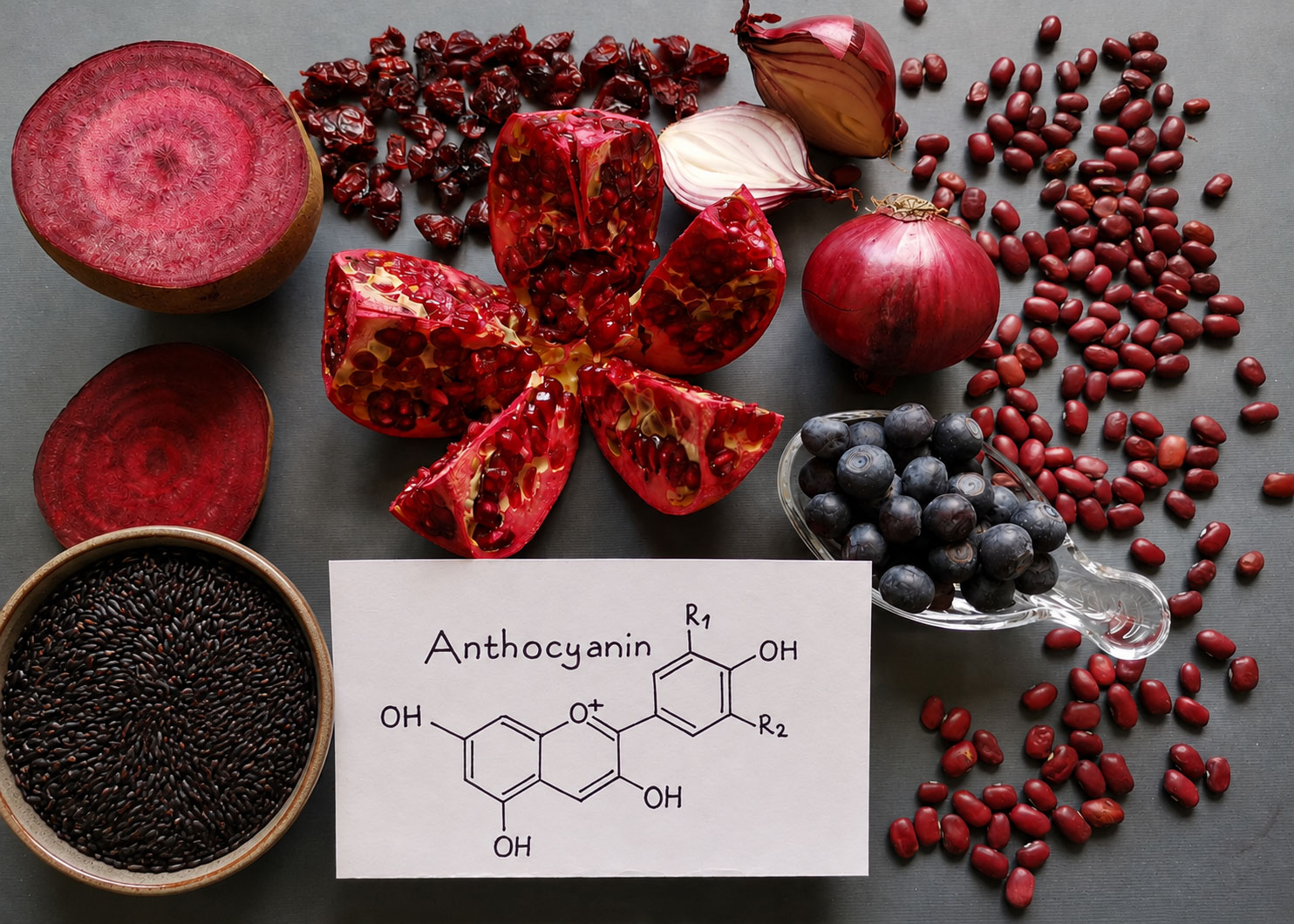
Anthocyanins are naturally occurring plant pigments responsible for deep red, blue and purple colours in foods.
In black rice, those pigments are concentrated in the dark bran. Similar colour-producing pigments are found in familiar foods such as blueberries and blackberries.
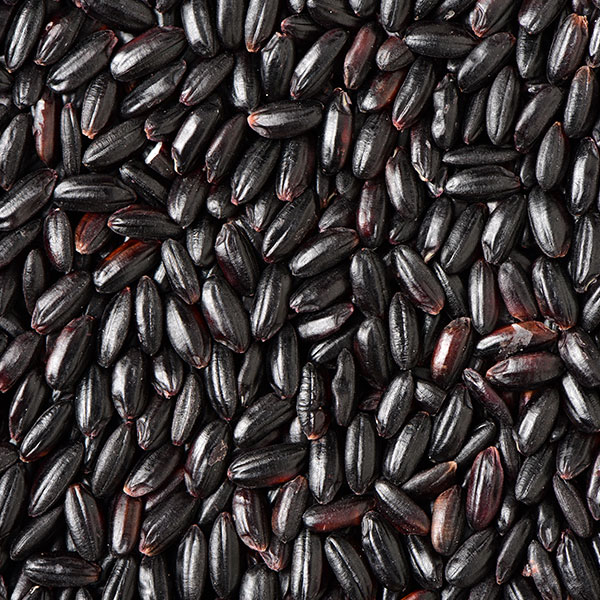
Black rice
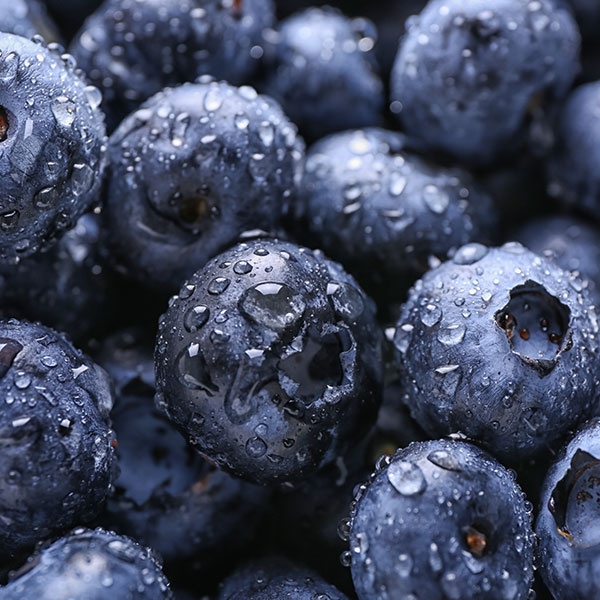
Blueberries
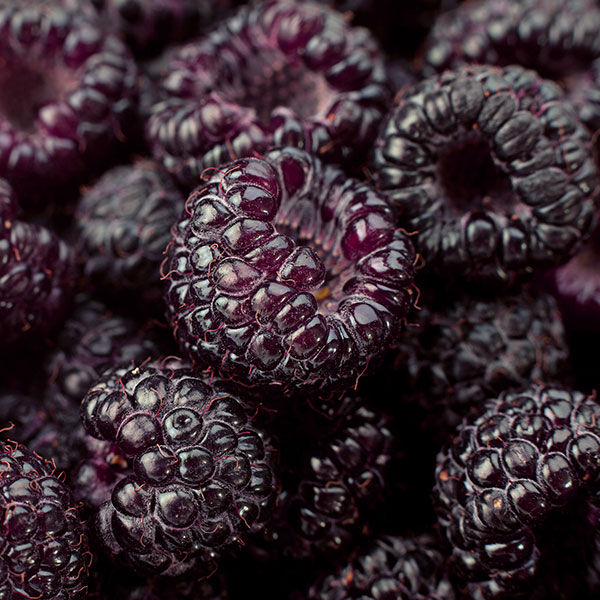
Blackberries
Foods reinvented
Black rice gives Grindstone a distinctive ingredient story without asking people to give up the foods they already know.
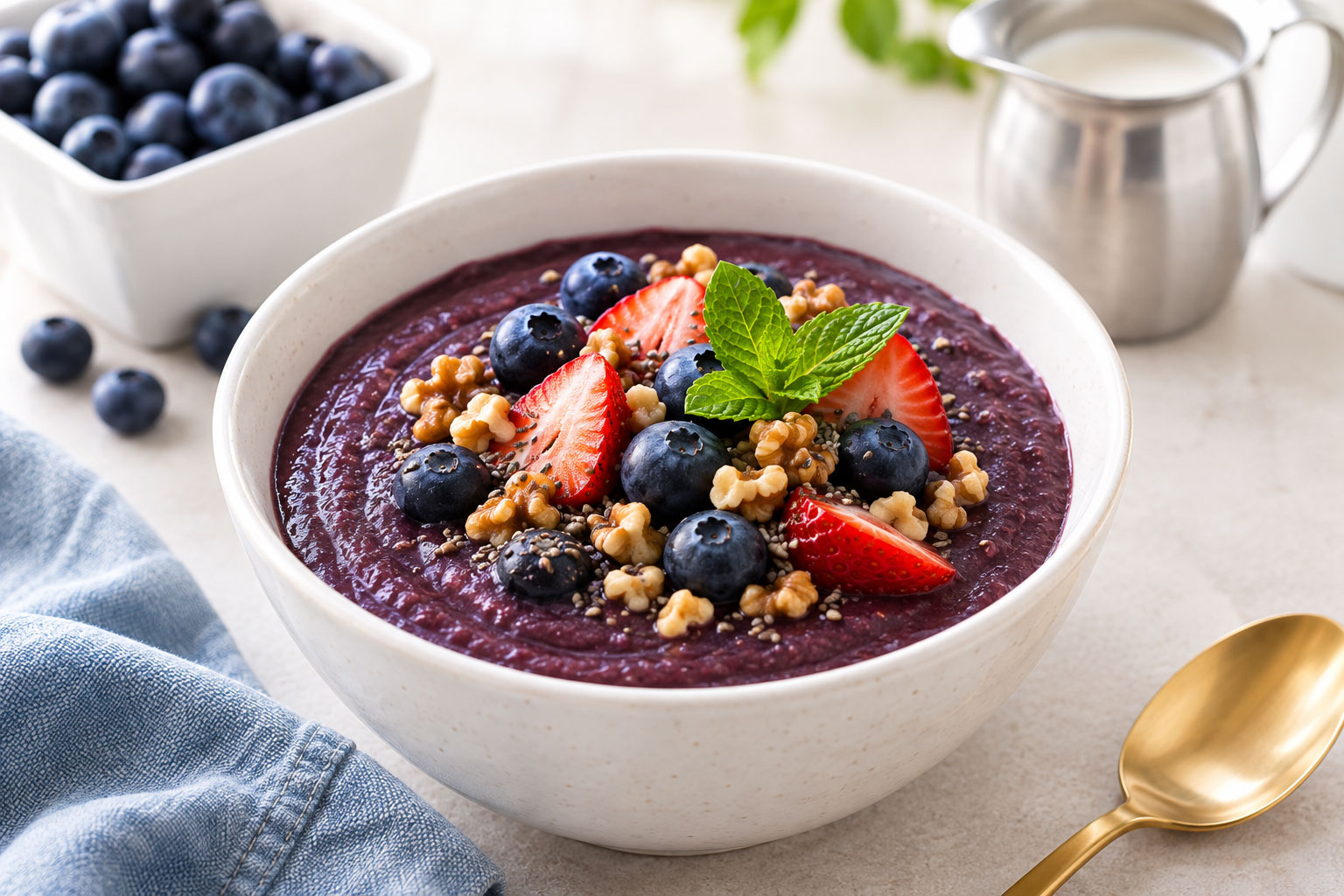
Blended with white rice, it contributes colour, texture and whole-grain character to applications across multiple Grindstone product families—from smooth cream of rice to baking and cake products where the formulation calls for it.
Individual recipes vary, so the current product page and label remain the source of truth for each product’s ingredients.
Milled in London, Ontario
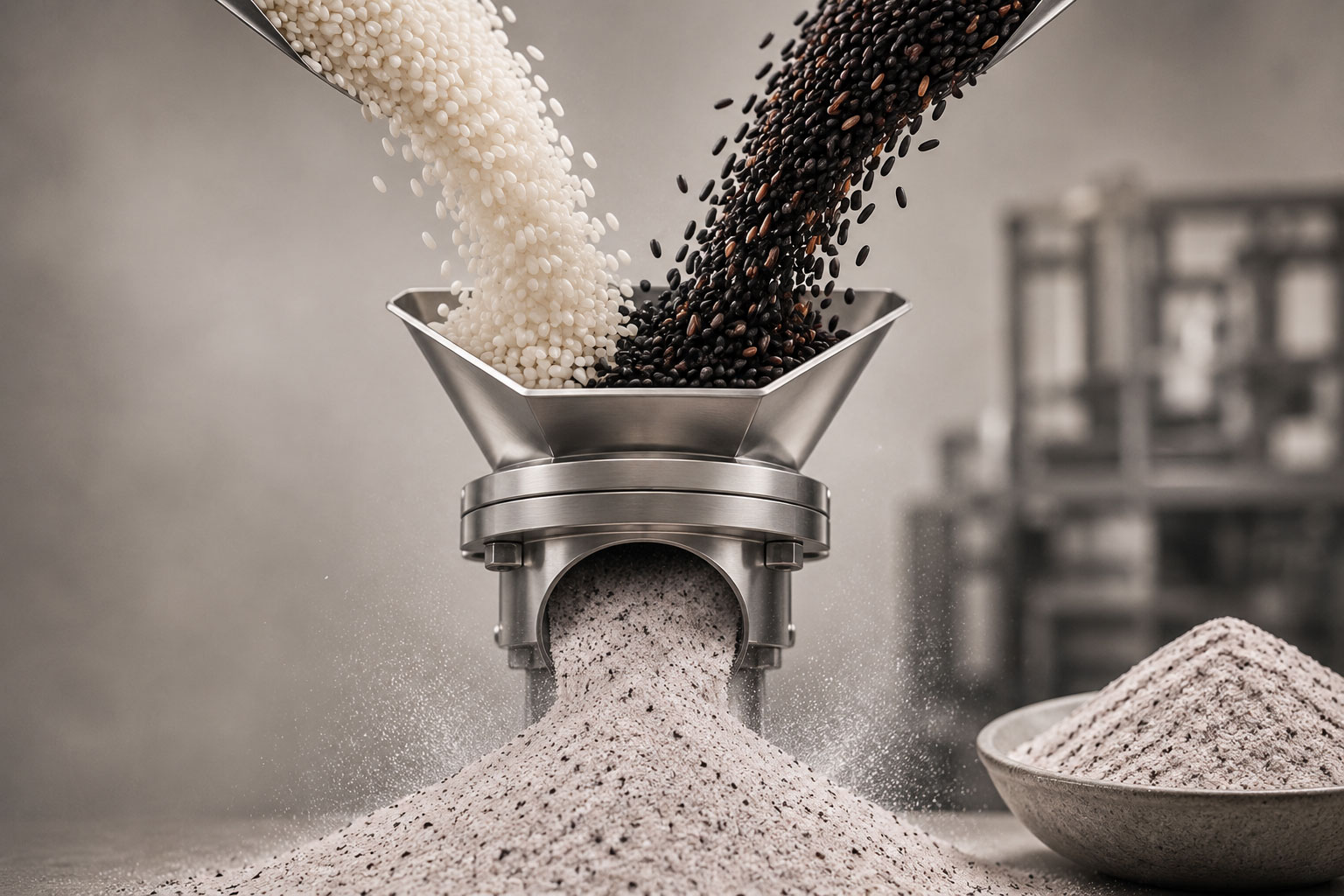
Grindstone mills and granulates its own rice within its London, Ontario operation.
Keeping these stages in house gives the team greater control over texture, consistency and quality—and connects the ingredient story directly to how the finished foods are made.
Whole rice moves into Grindstone’s own milling process.
Granulation helps establish the intended particle profile.
Black and white rice come together for the application.
Explore the product families connected to Grindstone’s rice-first approach. Formulations vary by individual product.
Breakfast
Shop Cream of Rice →
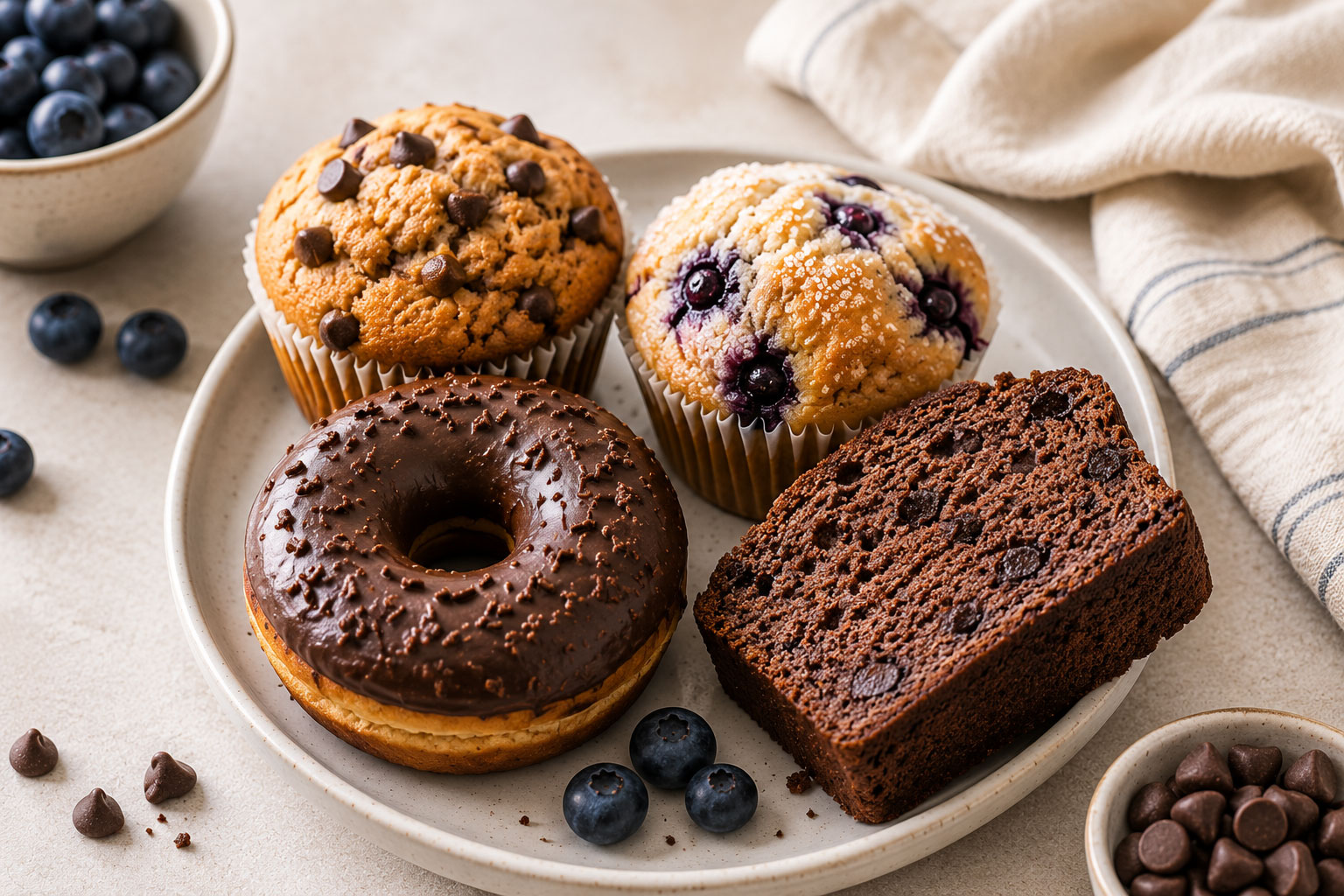
Baking
Shop The MIX →
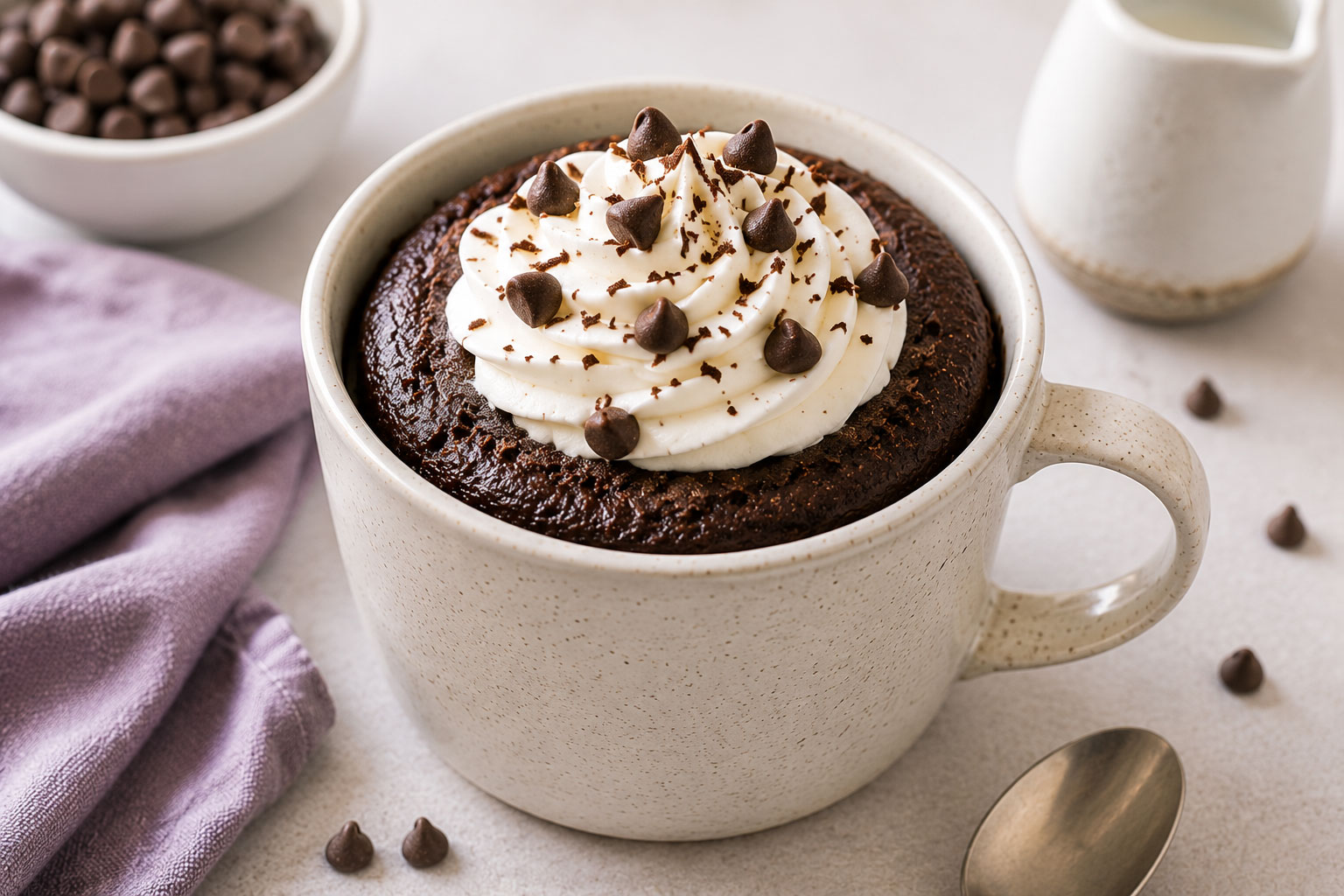
Cake in a cup
Shop CUP-CAKE →
Not every product necessarily uses the same rice blend. Consult the individual product page and label for current ingredients.
Cream of rice
The Cream of Rice guide shows how Grindstone turns finely milled rice into a smooth, comforting hot cereal.
Learn what cream of rice is, how to prepare it and where to explore the current flavour range.
Explore Cream of Rice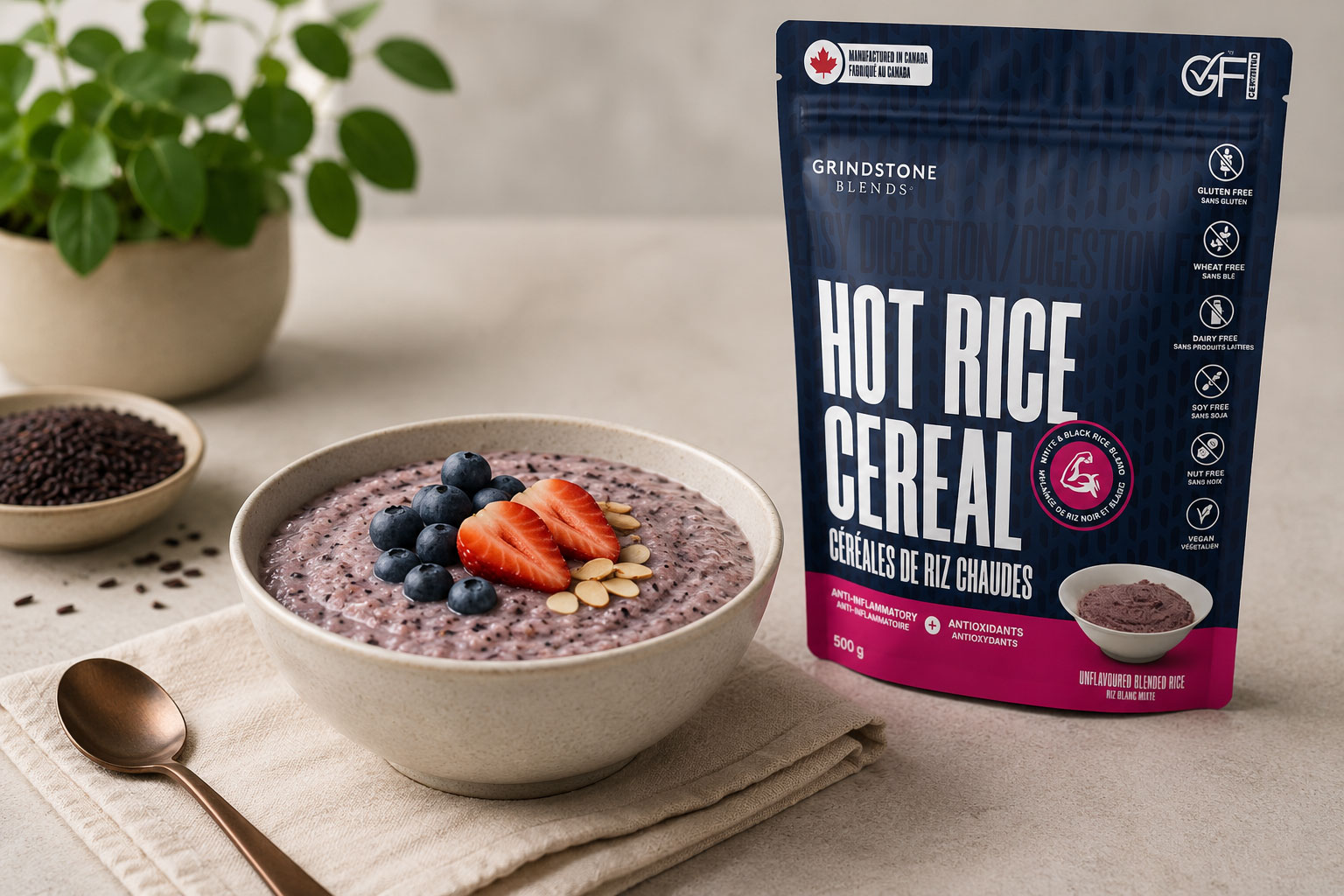
Concise answers about the grain, its colour, the forbidden-rice nickname and Grindstone’s signature blend.
Black rice is a whole-grain rice variety with naturally dark purple-black pigmentation in its bran. Because it is a whole grain, it retains the bran and germ.
The name forbidden rice comes from stories that black rice was once reserved for royalty or emperors. It is best understood as a historical nickname associated with tradition and folklore rather than a single proven origin story.
Naturally occurring plant pigments called anthocyanins give black rice its deep purple-black colour. Similar pigments create red, blue and purple colours in foods such as blueberries and blackberries.
Black rice is a whole grain with its bran retained, a deeper colour and a fuller grain flavour. White rice is refined, with the bran removed, and has a milder colour, flavour and smoother neutral profile.
Rice, including black rice, is naturally gluten-free as a grain. For a finished food, always check the current product label for product-specific ingredient and dietary information.
Grindstone combines the whole-grain character and distinctive colour of black rice with the smoothness and familiarity of white rice. The resulting blend can be milled for different Grindstone food applications.
Grindstone mills and granulates its rice in house within its London, Ontario operation.
Explore familiar foods shaped by Grindstone’s rice-first approach.